
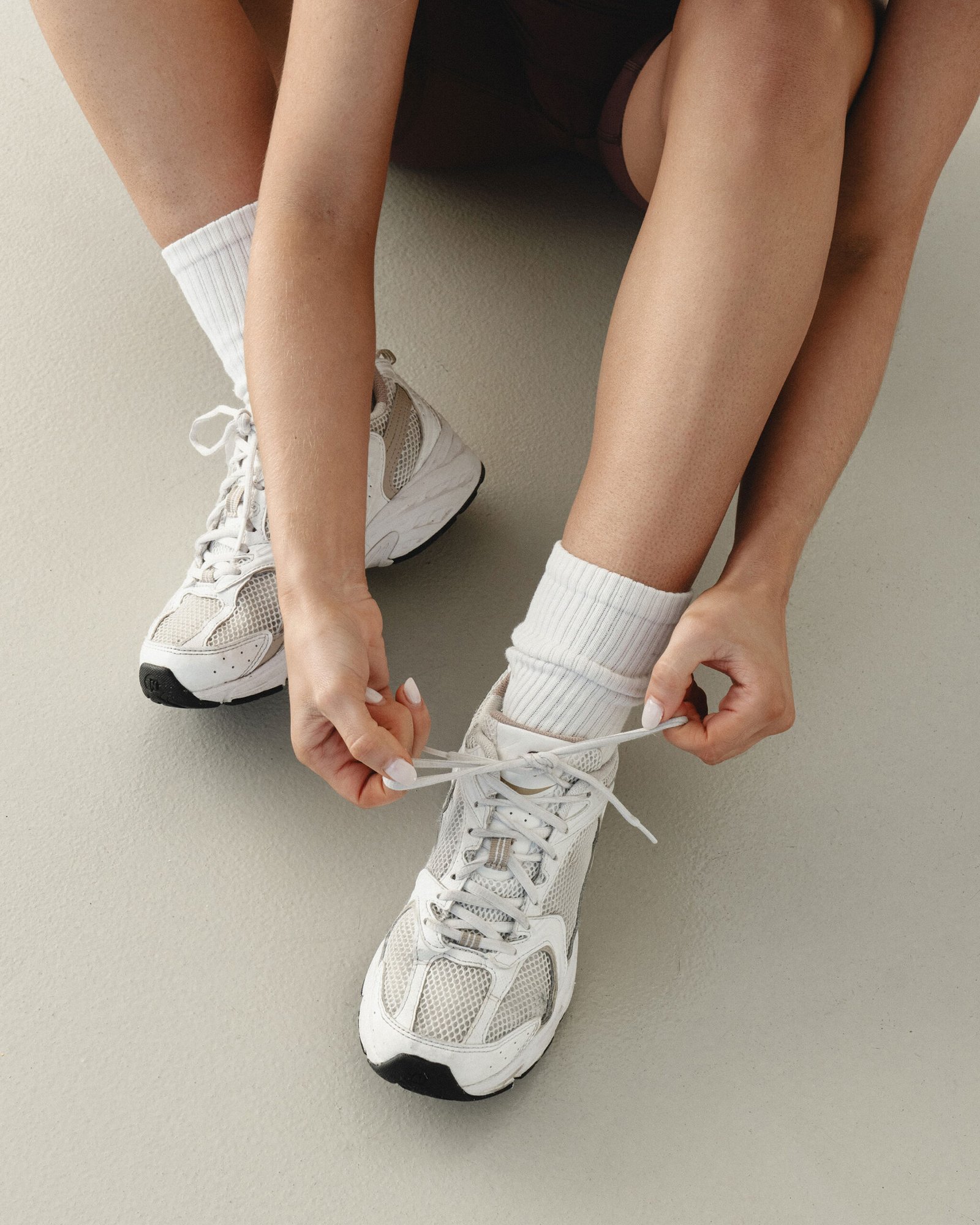
Get Energy to Workout: Simple Tips for an Energized Exercise Routine
Finding the energy to power through a workout can sometimes feel like an uphill battle. Whether you’ve had a long day at work, are dealing with fatigue, or simply can’t seem to get motivated, it’s essential to discover effective ways to boost your energy levels.
Proper nutrition and hydration, along with strategic snacking, can significantly enhance your stamina and performance during your workouts.
You’re not alone in battling those pre-workout slumps. Lots of people feel tired or unmotivated before hitting the gym, but there are simple strategies you can implement to shake off that lethargy and get moving.
From ensuring you’re hydrated to grabbing healthy, energy-boosting snacks, small changes can make a big difference in your workout routine.
Ultimately, it’s about finding what works best for you. By incorporating practical tips and understanding how to fuel your body effectively, you can transform how you feel before and during your workouts.
Get ready to unleash your potential and enjoy the energy you need to stay active and engaged!
Understanding Motivation and Energy
Maintaining your energy for workouts is closely tied to understanding different types of motivation and how energy levels function in your body. Both aspects can significantly influence your workout consistency and overall fitness journey.
Types of Motivation
Motivation can be broadly categorized into two types: intrinsic and extrinsic.
Intrinsic Motivation: This comes from within. You exercise because you enjoy it, find it challenging, or desire personal growth. This type fosters long-term commitment since you’re driven by internal satisfaction.
Extrinsic Motivation: This stems from outside factors, such as rewards, recognition, or social pressures. While it can spark initial interest, relying too heavily on external motivators may lead to inconsistency over time.
Understanding which type of motivation resonates with you can help tailor your fitness approach. If you find joy in activities, consider incorporating them more into your routine. If external factors work better for you, set goals with rewards to maintain your momentum.
The Science of Energy Levels
Your energy levels directly impact workout performance. Key factors influencing them include sleep quality, nutrition, and hydration.
Sleep: Aim for 7-9 hours of quality sleep each night. Poor sleep can lead to fatigue, making it hard to stay active.
Nutrition: A balanced diet fuels your workouts. Focus on whole foods like fruits, vegetables, lean proteins, and whole grains for sustained energy.
Hydration: Dehydration can sap your energy. Drink water before, during, and after workouts to keep your body functioning optimally.
Understanding these components enables you to optimize your energy levels. Implementing small changes in your sleep routine, diet, and hydration habits can significantly enhance your workout experience.
Nutritional Strategies for Increased Energy
To fuel your workouts effectively, consider focusing on your meals and hydration. The right pre-workout snacks and fluids can significantly enhance your performance and stamina.
Pre-Workout Meals and Snacks
Eating the right foods before a workout is crucial. Aim to consume a meal or snack rich in carbohydrates to maximize your energy levels. Foods like whole-grain toast, oatmeal, and fruits provide the quick-release energy you need.
Incorporate a moderate amount of protein, such as yogurt or a protein smoothie, to support muscle function. Ideally, you should eat these foods about 1–2 hours before exercising.
Examples of Effective Pre-Workout Snacks:
- Banana with peanut butter
- Greek yogurt with berries
- Whole-grain toast with avocado
Avoid heavy fats and proteins that can slow digestion. Focus more on nutrient-dense options to keep you energized.
Hydration and Performance
Staying hydrated is just as important as what you eat. Water is essential for maintaining your energy levels. Dehydration can lead to fatigue and decreased performance.
Drink water before, during, and after your workout. If you’re exercising for over an hour, consider an electrolyte drink to replenish lost minerals.
Hydration Tips:
- Drink 16-20 ounces of water 1–2 hours before exercising.
- Sip water every 15–20 minutes during workouts.
- Rehydrate after your session to promote recovery.
Proper hydration helps your cells transport energy efficiently, allowing you to train harder and longer. Keep a water bottle handy to remind yourself to drink regularly.
Exercise and Workout Preparation
Preparing for your workout goes beyond just physical readiness; it also involves mental focus and warming up your body. Effective preparation sets the stage for a successful workout session, improving your performance and reducing the risk of injury.
Dynamic Warm-Ups
Before diving into your workout, it’s crucial to engage in dynamic warm-ups. These movements prepare your muscles and joints for the physical activity ahead.
Some effective dynamic warm-up exercises include:
- Leg Swings: Swing each leg forward and backward to loosen up your hips.
- Arm Circles: Rotate your arms in circles to warm up your shoulders.
- Walking Lunges: Step forward into a lunge and alternate legs to engage your lower body.
Aim for at least 5-10 minutes of these movements. They increase blood flow, enhance flexibility, and elevate your heart rate. This means your body is ready to perform at its best.
Mental Preparation Techniques
Getting your mind right is just as important as warming up physically. Mental preparation can enhance your focus and motivation.
Here are some techniques you can use:
- Visualization: Imagine completing your workout successfully. This mental rehearsal boosts confidence and reduces anxiety.
- Set Clear Goals: Define what you want to achieve during your workout. Whether it’s lifting a certain weight or completing a set number of reps, having a target gives you purpose.
- Positive Affirmations: Use phrases like, “I am strong” or “I can do this” to cultivate a positive mindset.
Taking a few moments for mental preparation can greatly influence your workout performance. It ensures you’re not just physically ready, but also mentally prepared to tackle your fitness goals.
Lifestyle Factors Affecting Energy
Your daily habits significantly impact your energy levels and your ability to work out effectively. By focusing on key lifestyle factors, you can increase your energy, leading to more productive workouts.
Sleep and Recovery
You know that getting enough sleep is crucial for energy. Aim for 7-9 hours of quality sleep each night. This allows your body to recover and repair muscles, aiding performance during workouts.
Establish a bedtime routine to signal your body that it’s time to wind down. Consider limiting screen time before bed, as blue light can interfere with your sleep quality. A dark, cool room promotes better sleep, making it easier to wake up refreshed and energized.
Power naps of 20-30 minutes can also boost your alertness if you need a quick recharge during the day. Include rest days in your workout schedule to prevent burnout.
Stress Management
Stress can drain your energy, making it essential to find effective ways to manage it. Regular physical activity itself is a great stress reliever, but incorporating mindfulness practices can help even more.
Techniques like deep breathing, meditation, and yoga can lower your stress levels. Set aside a few minutes daily for these practices to create a sense of calm.
Also, set realistic goals to reduce the pressure you may feel about your workouts or performance. Connecting with friends or loved ones can provide emotional support and help you stay motivated.
Time Management for Consistent Workouts
Balancing work, social life, and exercise can feel overwhelming. Create a weekly schedule that allocates specific time blocks for your workouts.
Consistency is key to building energy levels; just like any other important appointment, treat your workouts as non-negotiable.
Prioritize shorter, high-intensity sessions if you’re pressed for time. It’s also helpful to prepare meals and pack workout gear the night before to streamline your day.
Use digital planners or apps to keep track of your progress and commitments. Finding ways to enjoy your workouts can make them feel less like a chore and more like a rewarding part of your day.
Supplements and Energy Boosters
When looking to enhance your workout performance, certain supplements and energy boosters can make a significant difference. These options can improve alertness, stamina, and overall energy levels to help you maximize your workout routine.
Natural Supplements
Natural supplements can provide a great way to boost your energy without relying on synthetic ingredients. Some popular options include:
Tyrosine: This amino acid can help improve alertness and cognitive function, especially during periods of fatigue. It may also support memory in sleep-deprived individuals. Studies suggest it positively impacts energy levels and focus.
Magnesium: Adequate magnesium intake is essential for energy metabolism. It helps reduce oxygen consumption during exercise, potentially enhancing your performance. Foods rich in magnesium, such as spinach and nuts, can be excellent sources.
Iron: Essential for oxygen transport in the body, iron levels must be adequate to prevent fatigue and support exercise endurance. Incorporating iron-rich foods like lentils and red meat into your diet can be beneficial.
Caffeine and Workout Stimulants
Caffeine is one of the most popular workout stimulants. It can provide a quick energy boost, helping you power through challenging routines. Here are some details:
Caffeine: Found in coffee, tea, and some supplements, caffeine enhances performance by increasing adrenaline levels. It can improve endurance and reduce the perception of effort during workouts, allowing you to push harder.
Pre-Workout Supplements: Many contain caffeine along with other stimulants, like beta-alanine and creatine. These blends are designed to improve performance and delay fatigue, making them popular among gym-goers.
Timing: Taking caffeine about 30-60 minutes before your workout can maximize its benefits. Experiment to find the right dosage for your body to achieve the best results during your exercise sessions.