
Foods That Can Lower Your Blood Pressure: Simple Choices for a Healthier Heart
Eating the right foods can make a big difference in your health, especially when it comes to lowering blood pressure. Certain foods, such as fruits, vegetables, nuts, and fatty fish, are known to help reduce blood pressure levels. By focusing on these foods, you can support your heart health and feel your best.
Incorporating a variety of these items into your diet can be both delicious and easy. Imagine enjoying fresh salads or snacking on nuts while knowing you are helping your body. Small changes in your meals can lead to significant health improvements.
This blog post will explore the best foods to include in your diet to help keep blood pressure in check. Whether you’re looking to completely revamp your eating habits or just add a few heart-healthy items, you will find helpful tips and tasty options to try.
Understanding Blood Pressure
Blood pressure is a vital sign that indicates how hard your heart works to pump blood through your body. Knowing about blood pressure can help you manage your health better.
Here’s what you need to know about its definition, influencing factors, and risks of high levels.
What Is Blood Pressure?
Blood pressure measures the force of blood against your artery walls. It is expressed as two numbers: systolic and diastolic.
- Systolic pressure is the higher number. It shows the pressure in your arteries when your heart beats.
- Diastolic pressure is the lower number. It reflects the pressure in your arteries between heartbeats.
Normal blood pressure is generally around 120/80 mmHg. If the readings are consistently higher, it may indicate hypertension, which can lead to serious health issues like heart disease.
Factors Affecting Blood Pressure
Several factors can influence your blood pressure levels. Understanding them can help you maintain better health.
- Diet: High salt intake and low potassium can raise blood pressure. Eating more fruits, vegetables, and whole grains may help.
- Weight: Being overweight increases the strain on your heart, which could raise blood pressure.
- Exercise: Regular physical activity strengthens your heart and can lower blood pressure.
- Stress: High stress levels can temporarily increase blood pressure. Finding ways to relax can help keep it in check.
- Genetics: Family history plays a role. If your parents had high blood pressure, you may be at a higher risk.
Risks of High Blood Pressure
Ignoring high blood pressure can lead to serious health problems. Some key risks include:
- Heart Disease: High blood pressure can damage your arteries and lead to heart attacks.
- Stroke: Increased pressure can affect blood vessels in the brain, leading to strokes.
- Kidney Damage: High blood pressure can harm your kidneys over time, affecting their ability to filter blood.
Monitoring your blood pressure regularly and making lifestyle changes can help you stay healthy and reduce these risks. Keep an eye on your numbers and consult with your healthcare provider if you have concerns.
Dietary Approaches to Lower Blood Pressure
Eating the right foods can significantly impact your blood pressure. Focusing on specific diets and food choices will help you manage your health effectively. Here are key dietary approaches that can contribute to better blood pressure levels.
The DASH Diet Basics
The DASH diet stands for Dietary Approaches to Stop Hypertension. It emphasizes eating a variety of foods that are rich in nutrients. The main focus is on fruits, vegetables, and whole grains.
You should also include low-fat dairy, fish, poultry, beans, and nuts. This diet limits saturated fats, sugars, and red meat.
Research shows that following the DASH diet can lower blood pressure within weeks. It’s not just about what you cut out, but also what you add in. Incorporating these foods into your meals can be a delicious way to support your health.
Balance of Sodium and Potassium
Maintaining a balance between sodium and potassium is crucial for lowering blood pressure. Too much sodium can lead to higher blood pressure levels.
Aim to limit your sodium intake to less than 2,300 mg per day, or even 1,500 mg for better results.
On the other hand, potassium helps relax blood vessel walls, which can lower blood pressure. Foods rich in potassium include bananas, oranges, potatoes, and spinach.
When you focus on eating whole, unprocessed foods, you naturally reduce sodium intake and increase potassium. This balance is vital for maintaining healthy blood pressure levels.
Importance of Hydration
Staying well-hydrated is another essential aspect of managing blood pressure. Water supports your body’s functions, including blood circulation. Aim to drink enough water throughout the day.
Dehydration can strain your heart and make it harder for your body to transport blood.
Consuming water-rich foods like cucumbers, tomatoes, and watermelon can also boost your hydration levels. Herbal teas and low-sodium broths are also good choices.
By ensuring you’re hydrated, you support your overall health and help maintain stable blood pressure.
Foods to Include in Your Diet
Eating the right foods can play a big role in lowering your blood pressure. Focusing on specific categories can help you create a tasty and healthful plate.
Leafy Greens
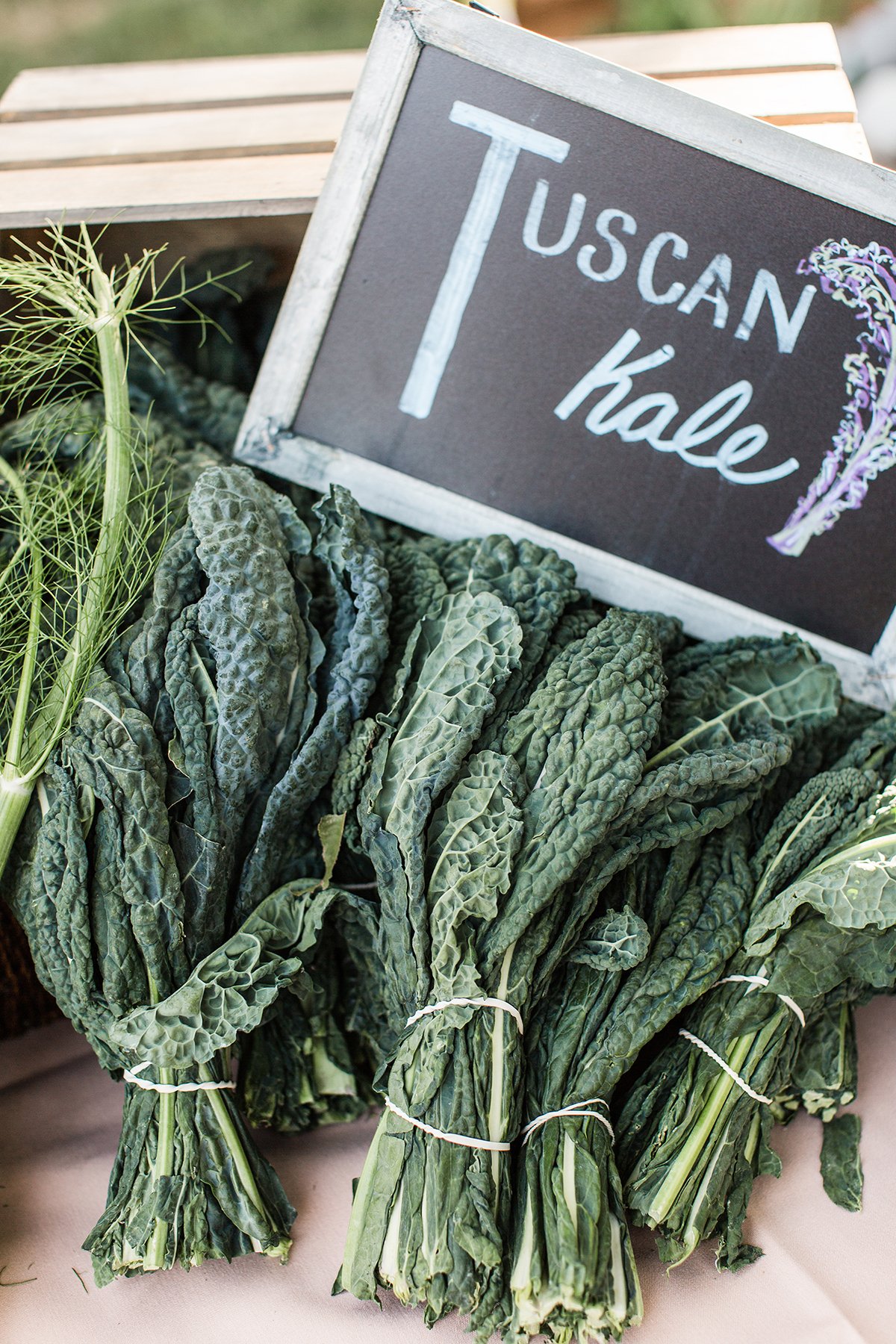
Leafy greens are packed with potassium, which helps your body balance sodium levels. Foods like spinach, kale, and Swiss chard are excellent choices.
You can easily add them to salads, smoothies, or stir-fries. Aim for a variety of colors to maximize your nutrient intake. Studies show that people who include leafy greens in their diets often enjoy better heart health.
Try this: mix spinach or kale into your morning smoothie for a nutrient boost.
Berries and Their Benefits
Berries, especially blueberries and strawberries, are rich in antioxidants called flavonoids. These compounds have been shown to help lower blood pressure by relaxing blood vessels.
Eating a handful of berries during breakfast or as a snack can be both delicious and beneficial. They pair well with yogurt or can be added to oatmeal for extra flavor.
Incorporating berries into your diet is easy. You can enjoy them fresh, frozen, or even dried.
Whole Grains for Heart Health
Whole grains like brown rice, quinoa, and whole wheat bread provide fiber and essential nutrients. They help maintain steady blood sugar levels and support heart health.
Switching from refined grains to whole grains can be simple. Consider using brown rice instead of white, or whole grain pasta in your favorite dishes.
These small changes can make a significant difference in your overall health. Plus, whole grains keep you feeling full longer, which helps with weight management.
Nuts and Seeds
Nuts and seeds are a great source of healthy fats, protein, and magnesium. Almonds, walnuts, chia seeds, and flaxseeds can all contribute to lowering your blood pressure.
A small handful of nuts can make a satisfying snack. You can also sprinkle seeds onto salads or yogurt for added crunch.
Incorporating these into your meals can lead to better heart health. Just remember to enjoy them in moderation, as they are calorie-dense.
Understanding Food Labels
Reading food labels can help you make better choices for lowering your blood pressure. By knowing how to identify sodium levels and hidden sugars, you can select healthier options.
Decoding Sodium Content
When looking at a food label, pay close attention to the sodium content. The recommended daily limit is about 2,300 milligrams, but aiming for 1,500 milligrams is even better, especially for heart health.
- High Sodium: If a food has 20% or more of the Daily Value (DV) for sodium, consider it high in sodium.
- Low Sodium: Choose foods with 5% DV or less.
Look for products labeled as “low-sodium” or “no salt added” for better options. Reducing sodium can aid in managing your blood pressure effectively.
Spotting Hidden Sugars
Many processed foods have added sugars, which can contribute to weight gain and high blood pressure. Always check the nutrition label for sugar content.
- Total Sugars: This number includes both natural sugars and added sugars.
- Added Sugars: Look for ingredients like high-fructose corn syrup or cane sugar.
Aim to limit added sugars to no more than 10% of your daily caloric intake. Foods with less than 5 grams of sugar per serving are generally better choices. By being aware of hidden sugars, you can support your heart health more effectively.
Lifestyle and Blood Pressure Management
Managing your blood pressure goes beyond diet; it also includes lifestyle choices. Focusing on exercise, stress management, and sleep can greatly help in lowering your blood pressure.
Exercise and Its Effects
Regular exercise is crucial for maintaining healthy blood pressure. Aim for at least 150 minutes of moderate aerobic activity each week. Activities like walking, biking, or swimming are excellent choices.
You could also include strength training exercises twice a week. This combination helps your heart pump more efficiently and improves blood flow.
Benefits of Exercise:
- Lowers blood pressure
- Reduces stress
- Promotes heart health
Even short bouts of activity can be beneficial, so find what you enjoy. Consistency is key, so try to integrate movement into your daily routine.
Stress Management Techniques
Managing stress is essential for blood pressure control. When stress levels rise, your body releases hormones that can increase heart rate and constrict blood vessels.
Here are some effective techniques:
- Deep breathing: Take slow, deep breaths to calm your mind.
- Meditation: Spend a few minutes each day focusing on your breath or a calming image.
- Mindfulness: Practice being present in the moment to reduce anxiety.
You can also consider yoga or tai chi, which combine physical movement with relaxation. These activities not only help reduce stress but can also improve overall well-being.
The Role of Sleep
Quality sleep is vital for regulating blood pressure. Lack of sleep can lead to higher stress levels and weight gain, both of which can affect your blood pressure.
Aim for 7 to 9 hours of sleep each night.
Create a sleep-friendly environment by:
- Keeping your bedroom dark and cool
- Sticking to a consistent sleep schedule
- Avoiding screens before bedtime
If you struggle with sleep, consider relaxation techniques or consult a healthcare professional.
Good sleep hygiene plays a significant role in overall heart health.